Data uncovers a stark reality: Donald Trump’s base is fundamentally split
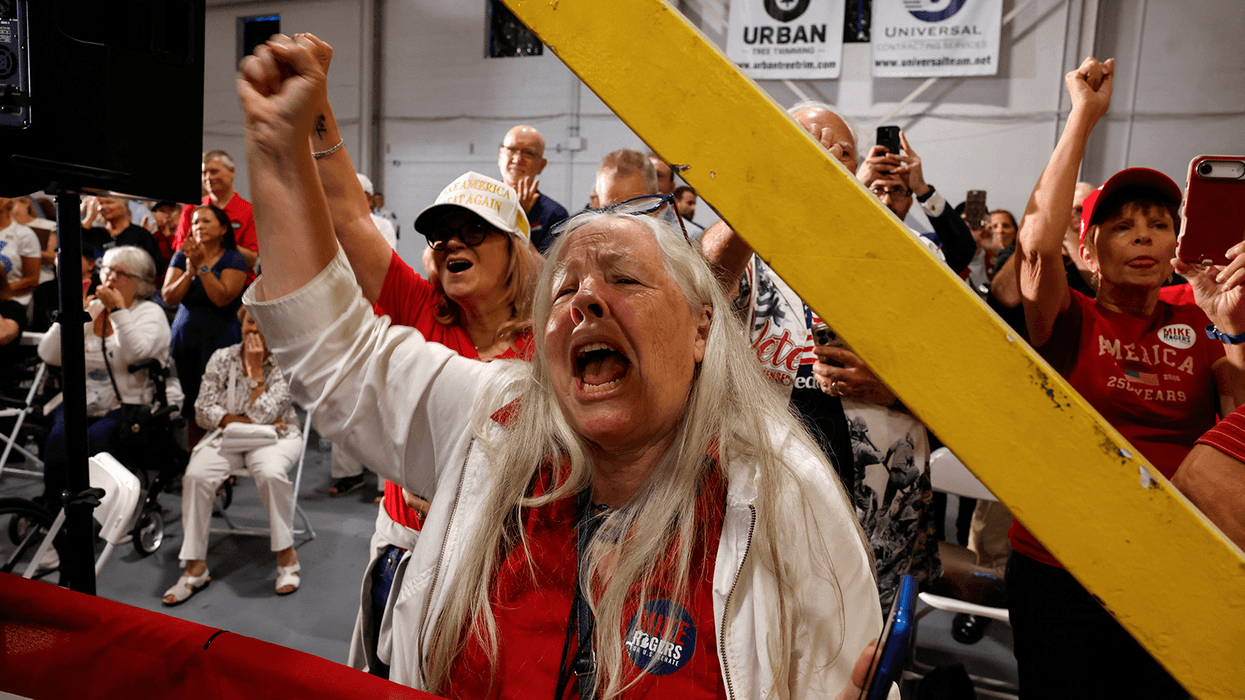
Today, with just over five weeks to go before the midterm elections, I want to point out a critical distinction that’s not being picked up in the media — between people who voted for Trump in 2024 but do not identify as part of the MAGA movement and people who voted for Trump in 2024 and still do identify themselves as part of the MAGA movement.
According to data from sources like the Economist/YouGov Poll, roughly 53 percent of Republican voters describe themselves as “MAGA Republicans” or consider themselves part of the MAGA movement.
That leaves a considerable number of non-MAGA Republican voters.
How do these two groups of Republican voters line up on the central issue of affordability?
A recent Politico poll showed that just 28 percent of voters who describe themselves as being part of the MAGA movement say expenses have become less affordable since Trump took office.
These MAGA voters are far more likely to say the economy has gotten better since Trump took office.
On the other hand, over half (52 percent) of people who voted for Trump in 2024 but don’t consider themselves part of the MAGA movement say the cost of living in their area is the “worst” it has ever been. Nearly half say they either wouldn’t vote for a Republican in the midterms or are still making up their minds.
How to explain this divergence?
Could it be that people who voted for Trump in 2024 and still view themselves as being part of the MAGA movement have done better economically since then compared to Trump voters who don’t consider themselves part of the MAGA movement?
No. Surveys show no meaningful distinction in the cost of living among people who voted for Trump in 2024. Their wages haven’t kept up with inflation, regardless of whether or not they consider themselves part of the MAGA movement.
Alternatively, could it be that Trump voters who consider themselves part of the MAGA movement have higher real incomes than Trump voters who do not, so they’re less encumbered by higher prices?
No again. In fact, Trump voters who view themselves as part of the MAGA movement have lower incomes than Trump voters who do not consider themselves MAGAs.
So why do people who voted for Trump in 2024 and who consider themselves part of the MAGA movement believe the economy is better now than it was when Trump was elected to a second term — in sharp contrast to people who voted for Trump in 2024 and don’t consider themselves MAGA?
The simplest explanation is that anyone who still identifies as being part of the MAGA movement remains in the Trump cult. Which means that — almost by definition — they accept Trump’s descriptions of reality, even if those descriptions don’t match these voters’ experiences.
In other words, they fully accept Trump’s lies.
So when Trump states that the economy is now far better than it was when he took over in January 2025 — a lie he tells repeatedly — they believe him, even though they’re struggling more now than they did then.
Trump’s continuous lies trump certain people’s lived experiences — people who have surrendered to him their critical judgment.
Robert Reich is a professor of public policy at Berkeley and former secretary of labor. His writings can be found at https://robertreich.substack.com/
from Alternet.org https://ift.tt/EraXqgB
via sinceretalk


Comments
Post a Comment